Skip to content

 SNOE Winter Sale
NEWS, SNOE AFFAIRS
SNOE Affairs DJ-set & Interview // Alec Troniq
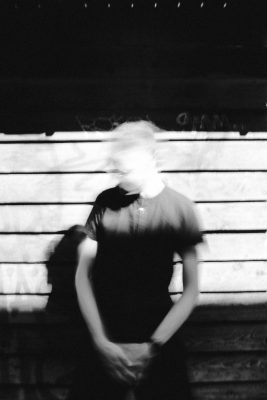
For our latest SNOE Affairs, we’re sitting down with Alec Troniq following the release of his new track “The Great Slop” on SNOE! Alongside the interview, he’s put together an exclusive mix showcasing his sound and musical instincts. We talked about the inspiration behind “The Great Slop”, his creative process, and the ideas and influences that continue to shape his work in the studio.
On the one hand: yes, because in the digital world there’s no filter for music releases. Everyone releases everything. With the artificial slop on top, it’s hundreds of thousands of new songs each day. No comparison to the time of physical recordings: only if a music label was absolutely convinced of your track, they would invest thousands of bucks into a vinyl or CD pressing, to release it and hopefully recoup the costs some day. With only a handful of selected records being released in the independent electronic music realm each week, it was indeed possible to cut through. Without selling your ass online.
On the other hand: If we’re talking about success in the mass-market, it’s rather a matter of entertainment. Because the industry and media appeal to the baser human instincts. To our natural interest in personalities, in visual stimuli, social status and stories about the rise and fall of egos. This is extremely amplified by today’s algorithms. And it overshadows our curiosity about actual art. The 90s underground was an exception, when the producers of those mysterious new sounds were mysteries themselves. They were (and still are) average people, nerds, misfits, minorities—none of those ego-selling personalities; without strategies in marketing, entertainment, choreography, costumes or other selling points. Just raw authentic humans who put music first. I’m a maverick, too. I still live by that ideal, solely focused on how music can express human emotion. This is our language.
Pappskalle
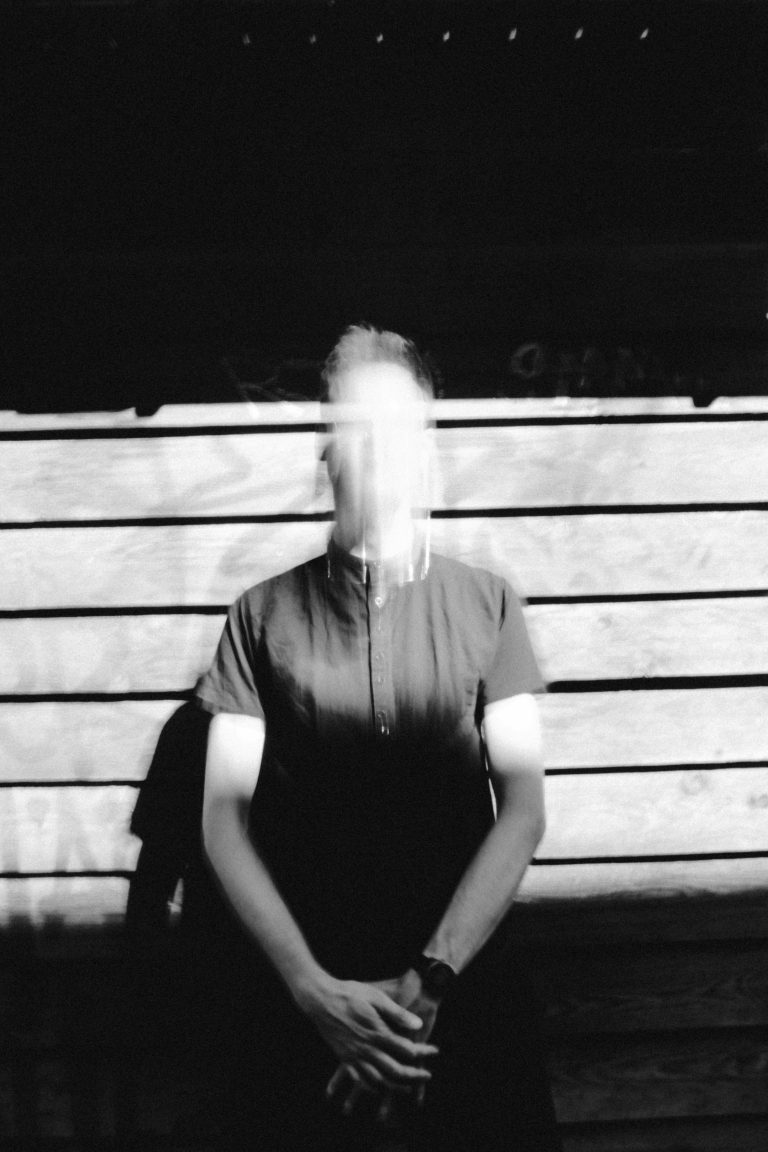
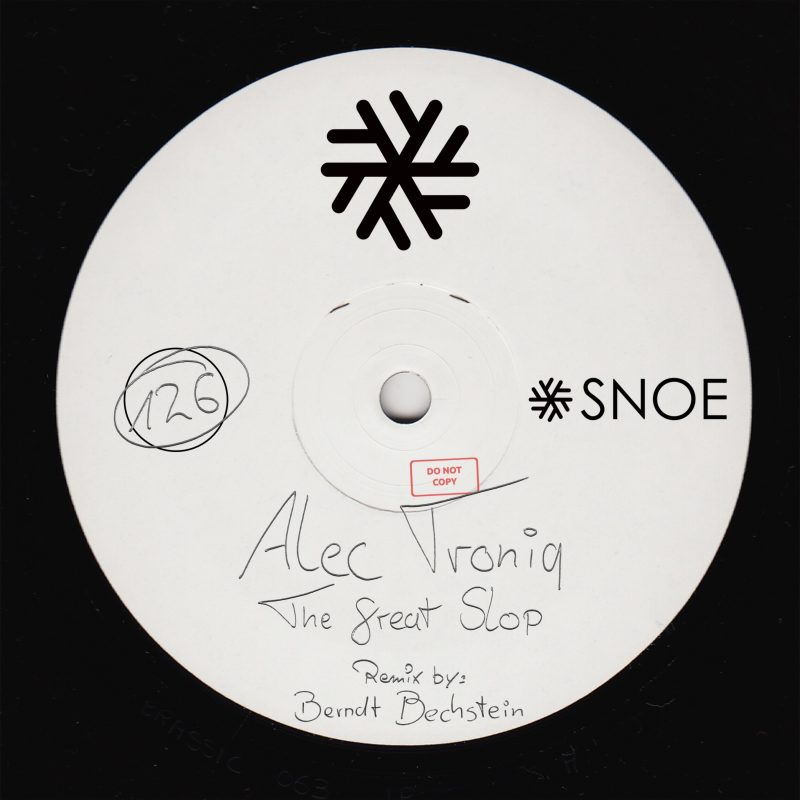
Listen to Alec Troniq’s groovy set for SNOE Affairs!
This is Alec Troniq on SNOE
-
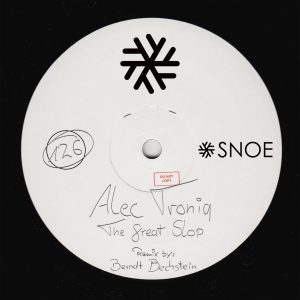
 Alec Troniq - The Great Slop (incl. Berndt Bechstein Remix) // SNOE126
2,00 €
-
Alec Troniq - Wisenheimer (incl. Reginald Remix) // SNOE079
2,00 €
-
Alec Troniq - Press DEL (incl. TK Vicious Remix) // SNOE066
3,00 €
-
NiQW - Cat Massage (incl. Alec Troniq Remix) // SNOE051
2,00 €
-
Alec Troniq - Rave Liberation Front EP (incl. Andre Kronert Remix) // SNOE047
3,00 €
-
Alec Troniq – Key Mo EP (Incl. Andreas Henneberg Remix) // SNOE037
3,00 €
-
SNOEflakes #4 – Not Usual, Alec Troniq, Vlada Asanin, Pischinger & Dermota // SNOE022
4,00 €
-
Alec Troniq – Many Fails Till We Flop (incl. Josh Brown’s keep It Hot Mix) // SNOE021
3,00 €